
Entropy, or Why the Pile Keeps Growing
Entropy measures disorder or randomness within a system. It explains why things naturally move from order to disorder over time, without external intervention. A messy workshop illustrates this principle — tools left scattered, materials disorganized.
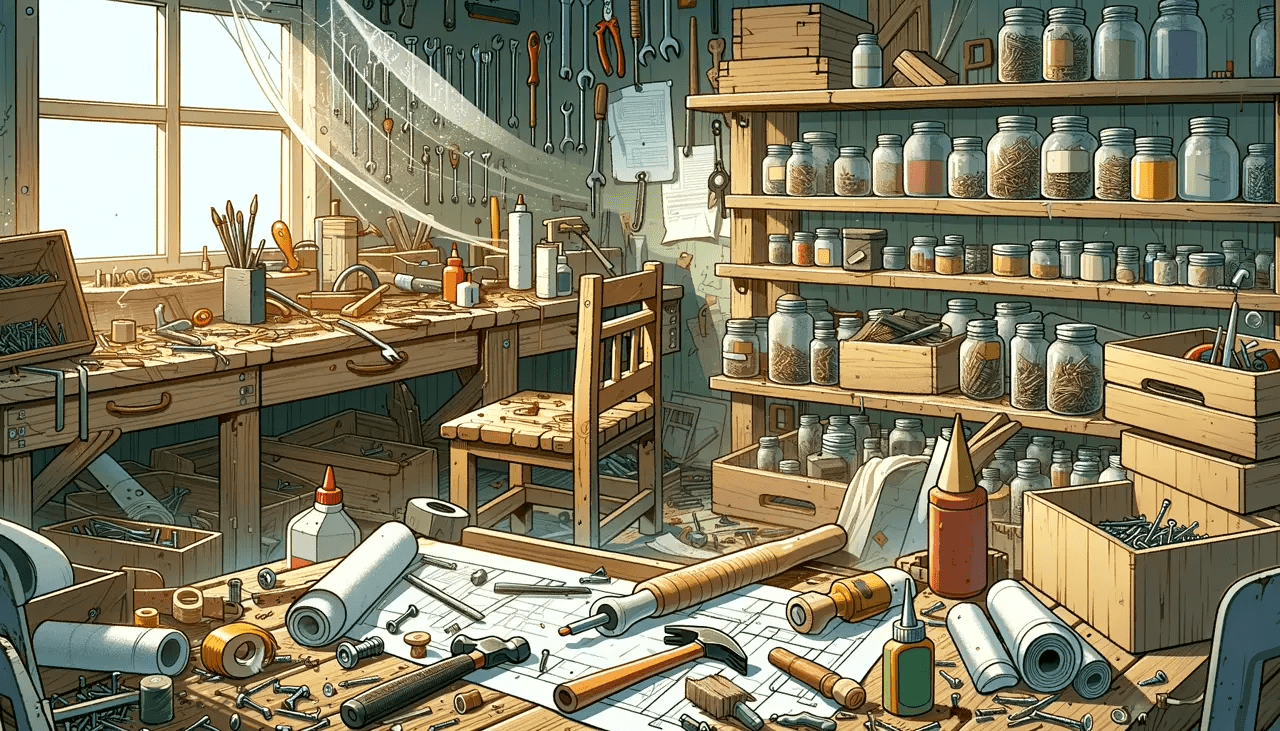
In software development, technical debt represents this same drift toward disorder. It accumulates through quick fixes and outdated code, making applications harder to adapt and maintain. Managing technical debt is as crucial as maintaining workshop organization for efficiency.
The Second Law of Thermodynamics and Your Codebase
The Second Law of Thermodynamics states that entropy will always increase over time if no energy is applied to maintain order. This principle applies directly to software development. Codebases naturally tend toward disorder; without deliberate refactoring, updates, and cleanup efforts, they accumulate technical debt — outdated practices, redundant code, and inefficiencies.
A critical insight emerges: just as energy maintains physical order, consistent effort is required to maintain and improve a codebase, keeping it efficient and adaptable.
Tidy Up Your Workshop: Strategies for Reducing Code Complexity
The workshop metaphor reveals that entropy makes tools increasingly difficult to locate. Similar cleanup applies to code:
- Examine classes for unnecessary coupling and unclear responsibilities
- Divide into more appropriate abstractions when applicable
- Write tests to verify changes
One revelation: "The solution to finding things is owning less stuff." This translates to code as reducing code complexity — a key metric for identifying cluttered areas requiring cleanup.